Finance Made Easy: A Step-by-Step Journey Toward Money Confidence
Finance doesn’t have to feel like rocket science. Many of us hear the word and immediately think of banks, big buildings, and complicated math. But here’s the truth — finance is something we all deal with every day. Whether you're a student, a shopkeeper, a parent, or a worker, you’re already using finance — even if you don’t realize it.
Let’s break things down in plain words, step by step. This article will help you understand how to handle your money with confidence — without stress, confusion, or fear.
What Is Finance, Really?
Finance is simply how you manage your money. That’s it.
Every time you earn, spend, save, or borrow — you're making financial decisions. So, finance isn’t just for experts. It’s for everyone.
There are three main parts of finance:
1. Personal finance – How individuals or families manage their money
2. Business finance – How businesses handle their income and costs
3. Public finance – How governments collect and use money
In this article, we’ll focus on personal finance fundamentals — because that’s where everything starts.
Why Should You Care About Finance?
Ignoring finance can lead to stress, debt, and missed opportunities. But understanding it can bring peace, stability, and growth.
Here’s why learning about finance is important:
You can control your spending
You can avoid unnecessary debt
You can save for goals and emergencies
You can plan your future with clarity
You’ll feel more confident in daily decisions
Finance is not about becoming rich overnight. It’s about building a healthy relationship with money.
First Things First: Understanding Where Your Money Goes
Many people wonder where all their money disappears each month. The answer lies in tracking.
Step 1: Know Your Income
This is the total money you earn — salary, business income, side jobs, etc.
Step 2: Know Your Expenses
This includes everything you spend money on.
Rent or mortgage
Food and groceries
Transport and fuel
Utilities
Mobile/internet bills
Clothing, entertainment, etc.
Once you understand your cash flow, you can take control.
The Power of Budgeting
A budget is like a map for your money. Without it, you’re driving blind.
How to Make a Simple Budget:
1. List your income
2. List your monthly expenses
3. Subtract expenses from income
4. See what’s left, or what needs cutting
5. Adjust until your spending fits your income
Bonus Tip: Use the 50/30/20 Rule
50% of income for needs
30% for wants
20% for savings or debt repayment
Even if the numbers change for you, this gives a basic idea.
Saving: The Habit That Changes Everything
Saving money isn’t about cutting fun from life. It’s about giving yourself freedom in the future.
Why Save?
To handle emergencies
To buy big things without debt
To travel or celebrate important moments
To build wealth over time
Where to Save?
A basic savings account
Digital wallets (if safe and reliable)
Short-term deposits
Tip: Make saving automatic.
As soon as you get paid, move a part of it to savings — even if it’s just a small amount.
Emergency Fund: Your Financial Safety Net
An emergency fund is money you set aside for unexpected events. Think of it as a money umbrella for rainy days.
Why Is It Important?
Medical emergencies
Job loss
Sudden repairs (car, home, etc.)
How Much to Save?
Ideally, 3 to 6 months of your basic expenses. Start small — aim for Rs. 10,000, then Rs. 20,000, and keep growing it.
Dealing With Debt: Be Wise, Not Fearful
Debt is not always bad — but it must be handled wisely.
Good Debt:
Education loans
Business loans
Home loans (if affordable)
Bad Debt:
Credit card overspending
Taking loans without a repayment plan
Borrowing for non-essential things
Tips for Handling Debt:
Don’t borrow unless truly needed
Always know your repayment terms
Pay on time to avoid extra charges
Avoid taking one loan to pay another
Understanding Credit: What It Means for You
If you’ve ever borrowed money or used a credit card, your actions affect your credit score.
A good credit score helps you:
Get better loan deals
Build trust with banks
Avoid rejections when applying for credit
To build good credit:
Always pay bills on time
Avoid using full credit limits
Keep older accounts active
Investing: The Next Step After Saving
Once you’ve built an emergency fund and controlled your debt, it’s time to grow your money.
What Is Investing?
Investing means putting your money into places where it can increase in value.
Simple Investment Options:
Mutual Funds – Ideal for beginners, low effort
Fixed Deposits – Safe, but lower returns
Stock Market – Higher risk, requires knowledge
Real Estate – For long-term goals
Rule: Start small, stay consistent
Even Rs. 1,000 per month can grow over the years if invested wisely.
Financial Goals: Give Your Money a Purpose
Saving without a goal feels boring. So, set clear, personal goals.
Short-Term Goals (within 1 year):
Buy a new phone
Take a short trip
Clear a small loan
Medium-Term Goals (1–5 years):
Buy a bike or car
Start a side business
Save for a family event
Long-Term Goals (5+ years):
Buy a house
Plan for children’s education
Build retirement savings
Goals keep you motivated and focused.
Avoiding Financial Traps
People often fall into money problems due to simple mistakes. Let’s learn to avoid them.
Mistake 1: Spending to Impress
Don’t buy things just to match others. Live within your means.
Mistake 2: No Record of Spending
Not knowing where your money goes = loss of control.
Mistake 3: Depending Only on One Income
If possible, add a side income for safety and growth.
Mistake 4: Ignoring Financial Learning
Always keep learning — read, watch videos, ask questions.
Smart Daily Habits for Strong Finances
Building wealth doesn’t need big changes — just small daily steps.
Cook more at home instead of eating out
Walk or share rides to save on transport
Avoid buying things on impulse
Compare prices before big purchases
Pay bills on time to avoid late fees
Use second-hand when possible
Every rupee saved adds up.
Teaching Kids About Money Early
Children learn fast. If we teach them good money habits early, they grow up smarter and more confident.
Tips:
Give small pocket money
Help them save in jars or piggy banks
Involve them in small shopping tasks
Praise when they save or avoid waste
Final Thoughts: Start Where You Are
You don’t need a lot of money to begin your financial journey. You just need clarity, consistency, and courage.
Take small steps:
Make a budget
Track your spending
Build an emergency fund
Start saving and investing bit by bit
And most importantly — don’t be afraid of finance. Learn it your way. Control it your way.
Because once you understand your money, you’ll feel more free, more confident, and more prepared for anything life throws at you.
Blog

Finding a Place You’ll Love — And People Who Care
When it comes to renting a place to live or managing a rental property, many people feel overwhelmed. There are too many listings to sort through, too many rules to understand, and too many companies that just don’t seem to care. That’s where Icon Property Management stands apart.They work across multiple cities in Ohio — big and small — helping people find good homes and helping property owners enjoy peace of mind. Whether you’re looking for a clean apartment or need help handling tenants, this is a team that puts real care into what they do.
Alliance Has Great Rentals — If You Know Where to Look
Apartment rentals in Alliance Ohio are in higher demand than you might think. With nearby schools, local jobs, and a small-town feel, Alliance is becoming a go-to spot for renters. Icon Property Management helps people find affordable, well-kept homes here. They make it easy to tour, apply, and settle in without stress — and they stay in touch long after move-in day.
Looking for Something Cozy in North Canton?
If you like quiet neighborhoods and a friendly community, Apartment rentals in North Canton Ohio might be a great fit. Icon offers units that work for students, young couples, and working professionals. Their apartments are regularly cleaned, well-maintained, and ready for move-in — no surprises, no long wait times.
The Rental Scene Is Growing in Akron
More people are discovering the charm of Akron. Whether you’re relocating for work or school, Apartment rentals in Akron Ohio offer a great mix of comfort and convenience. Icon knows this area well — they’ll help you skip the stress and move straight into a clean, reliable space with good neighbors and responsive service.
Finding the Right Fit in Canton Apartments
Apartment rentals in Canton Ohio are often snapped up quickly. That’s why Icon keeps a list of updated openings, ready to show apartments that match your budget and your needs. From one-bedrooms to multi-unit family spaces, they’ll work with you directly — no middlemen, no confusion.
Ready to Make Your Move?
Whether you’re trying to rent your first apartment or tired of managing your properties alone, it’s worth talking to Icon. They’ve helped countless people across Ohio — and they’re ready to help you, too.
 1. Understanding What a Vacuum Truck and Trailer DoIf you're new to the world of Used Vacuum Truck and Trailer in Ohio, here's a quick explanation. A vacuum truck is a special vehicle that uses a big tank and a powerful vacuum pump to suck up liquids, sludge, or waste. It can clean septic tanks, remove mud from construction sites, or collect industrial waste.Sometimes the truck pulls a trailer with an extra tank, which helps carry more material in one trip. This combo makes your work faster and more efficient.
---
2. Benefits of Buying Used Vacuum Equipment in OhioVacuum trucks are expensive, so buying used equipment can be smart for several reasons:
Lower Cost: Used trucks usually cost a lot less than new ones.
Immediate Use: You can get a used truck quickly without waiting for new production.
Good Condition: Many used trucks have been well cared for and still work great.
Better Resale Value: New trucks lose value fast, but used trucks' prices stay more stable.
For Ohio businesses, saving money while getting reliable equipment is a big win.
---
3. Important Features to Inspect Before BuyingWhen checking a used vacuum truck or trailer, focus on these key parts:The Vacuum PumpThis is the heart of the truck. Make sure it starts smoothly and sucks powerfully. Look for any strange noises or leaks.The TankThe tank stores the waste. Check for rust, dents, or holes that might cause leaks. Ask what materials it has held before, as some chemicals need extra care.Engine and TransmissionThe truck's engine should run smoothly without strange sounds or smoke. Check that the transmission shifts gears without problems.Tires and SuspensionLook for worn tires or broken springs. Good tires and suspension help the truck drive safely and comfortably.Trailer ConditionIf there is a trailer, inspect it just like the truck - tires, brakes, lights, and hitch should all be in good shape.
---
4. Questions Every Buyer Should Ask the SellerBefore buying, ask the seller:
How many hours has the pump worked?
What kind of waste was hauled?
Are there service or maintenance records?
Have any major repairs been done?
Why is the truck being sold?
Is there any warranty offered?
Answers to these questions help you understand the truck's history and condition.
---
5. Best Places to Look for Used Vacuum Trucks in OhioHere are some places where you can find used vacuum trucks and trailers:
Online Marketplaces: Websites like TruckPaper, MachineryTrader, and IronPlanet have many listings.
Local Dealers: Some dealers in Ohio specialize in used vacuum trucks and may offer inspected units.
Auctions: Equipment auctions can have good deals but often sell "as is," so inspect carefully.
Networking: Talk to local septic service or waste removal companies - sometimes they sell trucks directly.
6. Common Brands You'll Find on the Ohio Market
You'll see many brands, but here are some well-known names:
Vac-Con: Popular for reliability and parts availability.Great Lakes Anna: Known for tough tanks and strong pumps.Enviro-Vac: Great for large jobs with big tanks.Meyer and Jurop Pumps: European brands famous for quality pumps.Knowing brands helps you choose trusted equipment.
7. Financing Options for Used Vacuum Trucks
If you don't want to pay all at once, check these options:
Some dealers offer financing plans in Ohio.Banks and credit unions may lend for used equipment.Loans can be easier if you have a good credit history.Sometimes sellers offer warranties to protect your purchase.Always read the loan terms carefully before signing.
8. Making a Checklist Before You Close the Deal
Before buying, have a checklist:
Confirm the pump works well and tank is in good shape.Verify the engine runs smoothly and transmission shifts right.Check tires, brakes, and lights on both truck and trailer.Review all paperwork, including registration and service history.Understand any repairs needed and who will pay for them.Know the price, payment terms, and any warranties.A checklist helps avoid surprises later.
9. Final Words: Buying with Confidence in Ohio
Buying a used vacuum truck and trailer in Ohio doesn't have to be hard. Take time to inspect carefully, ask questions, and plan your budget. Use this guide as a simple tool to help you find good equipment that fits your needs and keeps your business running smoothly.
When you buy smart, you save money, avoid problems, and get the job done right. Best of luck with your purchase!
 Say More with Your Screens: A Fresh Way to Communicate Using Recastio
A New Way to Share Information
We see screens everywhere—stores, offices, waiting rooms. But not every business knows how easy it is to turn any screen into a powerful messaging tool. That’s where Recastio steps in. It gives you a simple way to manage what shows up on your screens, using nothing more than a TV and a Fire Stick.Whether you run a café, a retail shop, a clinic, or a school, Recastio helps you grab attention and share messages in a modern, clean, and efficient way.
What Makes Recastio So Simple?
Most people think setting up screen content means hiring tech experts or buying expensive gear. Not anymore.Recastio works with something you may already own—a TV and an Amazon Fire Stick. Just plug in the Fire Stick, download the Recastio app, and you’re ready to go. No wires, no complicated setup, no special training.You can upload videos, photos, slides, or announcements from your phone or laptop. And the best part? Everything updates in real-time.
Why Digital Signs Beat Printed Ones
If you're still printing signs or posters, you know the struggle. It takes time. It costs money. And once the message changes, the print is wasted.Digital signage solves all of that. You can:
- Change your message anytime
- Schedule different slides for different hours
- Use eye-catching videos and animations
- Make updates from anywhere
It’s not just faster; it’s smarter. With movement, color, and flexibility, digital screens get noticed more than printed signs ever could.
Getting Started Is This Easy
You don’t need to be a tech person to use Recastio. Here’s how it works in just a few easy steps:
- Plug in your Amazon Fire Stick to a TV or monitor.
- Install the Recastio app from the Amazon Appstore.
- Log in to your account using your phone, tablet, or laptop.
- Upload your content—photos, videos, slides, or messages.
- Create a playlist to organize your content.
- Assign the playlist to your screen.
- Go live with a click.
Now your screen is active, and any changes you make will show up instantly—even if you're across the country.
All the Control in One Place
Recastio gives you a cloud dashboard, so you can manage everything online. Whether you’re running one screen or fifty, you don’t need to be in the same building. Just log in, make your changes, and watch them appear live.You can schedule content ahead of time, assign different playlists to different screens, and check what’s playing—all from your computer or phone.
Where Can You Use Recastio?
One of the best things about Recastio is that it's flexible. No matter what kind of business you run, it can help you improve the way you communicate.Here are just a few real-life examples:
1. Retail Stores
Promote daily deals, welcome customers, or share holiday hours. Screens near the entrance or checkout area can boost sales and answer common questions.
2. Healthcare Offices
Share wait times, safety messages, or calming visuals in waiting rooms. You can also use it to guide patients or share office updates.
3. Churches and Places of Worship
Show service times, Bible verses, event reminders, or thank-you messages. Change slides each week without touching the screen.
4. Corporate Offices
Display team goals, meeting schedules, or employee achievements. It’s a great way to keep everyone in the loop without sending endless emails.
5. Factories and Warehouses
Use Recastio to share shift updates, safety tips, or emergency alerts in real time. Make sure every team member is informed—without needing paper signs.
6. Senior Living Communities
Show meal menus, daily activity schedules, or birthday shout-outs. It's a gentle and helpful way to keep residents informed and connected.
Features That Truly Matter
Recastio keeps things simple, but that doesn’t mean it lacks power. Here are some features that users love:
- Remote Content Updates – Change anything from your phone or laptop.
- Multi-Screen Support – Manage several TVs from one place.
- Slide Scheduling – Set certain messages to appear at specific times or days.
- Instant Preview – Check your playlist before it goes live.
- No Extra Devices – Just use your TV and a Fire Stick.
- Mobile Friendly – Update content while on the move.
No Trial? No Problem.
Many digital signage software tools make you sign up for a trial, or ask you to install bulky hardware. Recastio skips all that. The pricing is clear, and all you need is a screen and an internet connection.No complicated contracts. No surprise costs. Just plug in and go.
Why It’s Great for Teams
Even if you're managing several locations or departments, Recastio makes it easy to stay organized. You can give different team members access, assign screens to certain branches, and manage everything under one account.It’s perfect for growing businesses that need to scale without stress.
Tips to Make Your Digital Signage Stand Out
Using software for digital signage is one thing. Making it effective is another. Here are some practical tips to get the best results:
- Keep text short – Think one idea per slide.
- Use large fonts – Make sure it's readable from across the room.
- Add movement – Videos or small animations catch the eye.
- Match your brand – Use your colors, logo, and style.
- Change content often – Fresh slides feel more alive.
- Use images of people – Faces draw attention.
Who Created Recastio?
Recastio was built by a team that truly understands business communication. It’s backed by PageGravy, Inc., a company focused on tools that help teams work smarter. Their mission is simple: make digital communication easy for everyone.And they’ve succeeded. Recastio isn’t just for tech experts—it’s for everyday people who want to manage their messages better.
Final Thoughts: A Modern Tool That Just Works
In a world full of noise, it’s important that your message gets seen—and remembered. Recastio gives you a smart, simple, and affordable way to do just that. You don’t need a tech degree. You don’t need a big budget. You just need a screen and a Fire Stick.
 A Smarter Way to Share Messages: How Recastio Makes Digital Signage Easy
Introduction: What If Screens Could Talk?
Imagine walking into a store and being welcomed by a bright screen showing today’s deals. Or entering an office where a screen displays meeting schedules or team updates. No printing. No delays. Just simple, clear, digital messages shown right on a TV. That’s exactly what Recastio makes possible.This article will walk you through what Recastio is, how it works, why it’s different, and how almost anyone—from small business owners to large teams—can use it without needing any technical background. If you’ve never used digital signage software before, don’t worry. You’ll understand everything by the time you finish reading.
What Is Digital Signage?
Digital signage simply means showing content—like images, announcements, menus, or videos—on a screen instead of using printed posters or boards. Think of it as a smart version of a traditional sign. But instead of printing a new flyer each time, you just update your content with a few clicks.It’s used everywhere: in shops, offices, hospitals, schools, churches, and even factories. Screens grab more attention than paper signs and help keep information fresh and clear.
Meet Recastio: Digital Signage Made Simple
Recastio is a digital signage solution that lets you share your messages on any screen. But what makes it special is how easy it is to set up and use. You don’t need to buy expensive gear or hire a tech expert. All you need is a TV and a simple Amazon Fire Stick.Once you plug the Fire Stick into your screen, you install the Recastio app, and you're ready to start showing content in minutes.
Why Businesses Are Switching to Digital
There are many reasons companies are replacing old-school signs with digital ones. Here are just a few:Faster Updates: You can change your messages instantly without printing anything.
Saves Money: No need for paper, ink, or hiring someone to replace posters.
Grabs Attention: Moving content like videos or slide shows stands out more than static signs.
More Control: You can update screens from anywhere using your phone, tablet, or computer.
Whether you're managing a single shop or many locations, software for digital signage gives you better control over what your customers and staff see.
How Recastio Works – Step by Step
Setting up Recastio takes only a few steps. Even if you’re not tech-savvy, you’ll find it easy:Plug in Your Fire Stick: Connect an Amazon Fire Stick to your screen’s HDMI port.
Download the Recastio App: Get the app from the Amazon Appstore.
Sign In: Use your Recastio account to log in on your device.
Upload Content: Add your photos, videos, slides, or announcements.
Create a Playlist: Arrange your content in the order you want it to play.
Assign It to a Screen: Pick which screen should show your playlist.
Go Live: Your content starts playing right away.
You can change or update your playlist anytime. Even if you're miles away from the screen, updates happen in seconds.
Top Features That Make Recastio Stand Out
Recastio isn’t just easy—it’s also packed with useful features that help you manage your digital signage more effectively:1. Cloud-Based Dashboard
You can access your dashboard online from any device. This means you don’t have to be on-site to make changes.2. Content Scheduling
Set the exact time and day you want each slide or video to appear. For example, show breakfast menus in the morning and special offers in the afternoon.3. Instant Content Updates
Made a typo? Want to change the daily special? No problem. You can update your content and it goes live instantly.4. Multi-Screen Management
If you have more than one screen, you can control them all from one account. Each screen can show different content—or the same content, depending on what you need.5. Fire Stick Compatibility
Unlike other systems that require extra gadgets, Recastio works directly with the Amazon Fire Stick. That means no technical setup, no mess of wires, and no surprises.6. Mobile Access
You can manage your signage from your smartphone. Whether you're on the road or at home, your screens are always within reach.
Who Uses Recastio?
Recastio is flexible and works in many types of environments. Here are some real-world examples:● Retail Stores
Stores use Recastio to highlight sales, new arrivals, or holiday hours. Customers can see up-to-date offers right when they walk in.● Offices
In a workplace, you can display team achievements, meeting times, or daily reminders—keeping your team informed without sending emails.● Healthcare Centers
Hospitals and clinics can show health tips, safety rules, or patient waiting times to make visits more comfortable.● Churches and Places of Worship
Use screens to show sermon schedules, announcements, and event times—keeping everyone in the loop.● Manufacturing Units
Factories can display shift updates, safety guidelines, or important notices to keep the team running smoothly.● Senior Living Homes
Digital screens help keep residents informed about meals, events, and daily messages—making life easier and more connected.
What Makes Recastio Different?
There are many digital signage platforms out there. But most of them come with extra hardware, confusing setups, or hidden costs. Recastio is designed to be simple and budget-friendly.Here’s why it stands out:No Extra Equipment Needed: If you already have a TV and a Fire Stick, you’re good to go.
Clear Pricing: No complicated pricing plans. What you see is what you pay.
Quick Start: You can get everything up and running in less than 15 minutes.
No Special Skills Required: No IT background? No problem.
It’s made for everyday users who want to display great content without stress or training.
Why Amazon Fire Stick?
Recastio works with the Amazon Fire Stick because it’s a widely available, low-cost device that many people already own. It plugs into any TV or monitor with an HDMI port and turns it into a smart screen. This keeps things simple and affordable.There’s no need for complicated player boxes, wires, or special software. The Recastio app runs smoothly on the Fire Stick and gives you full control of your screen from wherever you are.
Best Practices for Creating Good Digital Signage Content
To make sure your screen looks great and gets your message across, here are some simple tips:Use Big Fonts: Make your text large enough to read from a distance.
Keep It Short: Stick to short messages—ideally fewer than 10–12 words per slide.
Add Movement: Videos and animations are more eye-catching than still images.
Stay On-Brand: Use colors and fonts that match your business branding.
Update Often: Keep content fresh so viewers don’t ignore your screens.
Test Before Going Live: Always preview your playlist before showing it to the public.
Who Should Try Recastio?
Recastio is for anyone who wants to share messages on a screen—without needing to be a tech expert. It’s especially great for:Small business owners who want a simple way to show promotions
Office managers who need to keep teams informed
Churches, schools, or community centers looking for clear communication tools
Large organizations with multiple screens or locations
If you want fast setup, easy updates, and complete control—all in one place—Recastio is made for you.Final Thoughts
Digital signage doesn’t have to be expensive or confusing. With Recastio, it’s simple, smart, and effective. You don’t need bulky equipment or tech support—just your screen, a Fire Stick, and a few minutes to set things up.In today’s fast-moving world, clear communication is more important than ever. Recastio helps you share your messages where people can actually see them—and that can make all the difference.
 Screens That Speak: How Recastio Makes Signage Simple
Walk into a coffee shop, a local clinic, or even a school, and you’ll notice something—screens are everywhere. But they’re not just playing TV shows anymore. They’re showing daily specials, reminders, safety tips, or welcome messages.This is the modern way to share information: using digital signage.The good news? You don’t need to be a tech wizard to use it. In fact, tools like Recastio make it so easy, you can set it up in just minutes—even if it’s your first time doing anything like this.Let’s break it all down and see why more small businesses, teams, and even churches are switching to screen-based messaging.
What Is Digital Signage and Why Is It Useful?
Think of digital signage as a way to use screens to show your message. Instead of printing signs, posters, or banners every time something changes, you use a screen—like a regular TV—and update it from your phone or computer.This means if you want to promote a weekend sale, welcome guests to an event, or remind people about safety tips, you can do it in seconds without leaving your desk.Digital signs are fast, flexible, and attention-grabbing. No more replacing paper signs that get ignored or ripped down.
Meet Recastio: Smart Signage Made for Everyone
Recastio is a tool that helps you control what shows up on your screens. It’s not bulky. It’s not expensive. And best of all—it’s not confusing.Whether you run a small shop, a nonprofit group, a school office, or a community center, Recastio gives you everything you need to manage your signage easily.You don’t need a technician or special hardware. If you’ve used a TV and a phone, you’re already halfway there.
What You Need to Get Started
Getting started with Recastio is simple. Here’s what you’ll need:
- A screen or TV (any size works)
- A device like the Amazon Fire Stick
- An internet connection
- Your Recastio login
Just plug the Fire Stick into your TV, download the Recastio app, and log in. From there, you can upload your content—like photos, videos, or slides—and choose when and how they appear.No cords, no complicated settings, and no extra computers needed.
What Can You Show on the Screen?
Recastio supports many types of content. You can use:
- Images (like menus, schedules, or flyers)
- Short video clips
- Slide presentations
- Text-based messages or greetings
You can mix and match, set them in playlists, and even schedule them by time of day. Want to show morning updates, lunchtime promotions, and afternoon reminders? Recastio lets you do all that without switching anything manually.
Why This Works for So Many Places
Let’s take a quick look at how different places are using Recastio:
- Shops & Retail Stores: Promote sales, announce store hours, or share new arrivals.
- Medical Offices: Show wait times, health advice, or holiday closings.
- Schools: Display event dates, lunch menus, or student achievements.
- Churches & Nonprofits: List service times, speaker details, or donation reminders.
- Gyms or Studios: Share class schedules, fitness tips, or member shout-outs.
No matter the location, if you have a message to share, a screen can help—and Recastio makes managing it a breeze.
A Smart Tool That Saves Time
One of the biggest reasons people switch to Recastio is because it saves time. With printed signs, you’d have to design, print, hang, and later remove each one. If your message changes often, that can become a full-time job.Recastio lets you upload once, and the message appears instantly. You can also update it from anywhere—your office, your home, or even while traveling.That flexibility makes it a perfect solution for busy teams, fast-moving businesses, and anyone who doesn’t want to deal with old-school sign replacements.
Clear Setup, No Guesswork
A lot of digital tools come with a steep learning curve. Not Recastio. It was built for regular people—not IT experts.Once you install the app and connect your screen, everything else happens online in a clean, simple dashboard. Upload your content, assign it to a playlist, and it starts playing. You can preview how it will look before going live, which helps avoid mistakes.You also don’t need to be near the screen. You can control multiple screens from one account, even if they’re in different locations.
Don’t Let Price Hold You Back
You might be wondering if all this is expensive. Thankfully, it’s not.In fact, one of the reasons Recastio is growing fast is because it’s known for Affordable Digital Signage. There are no surprise fees or complex add-ons. Everything is clearly priced, and the features are designed to work well without making you pay for things you don’t need.It’s ideal for small budgets, startups, and even family-run shops that want to stay modern without overspending.
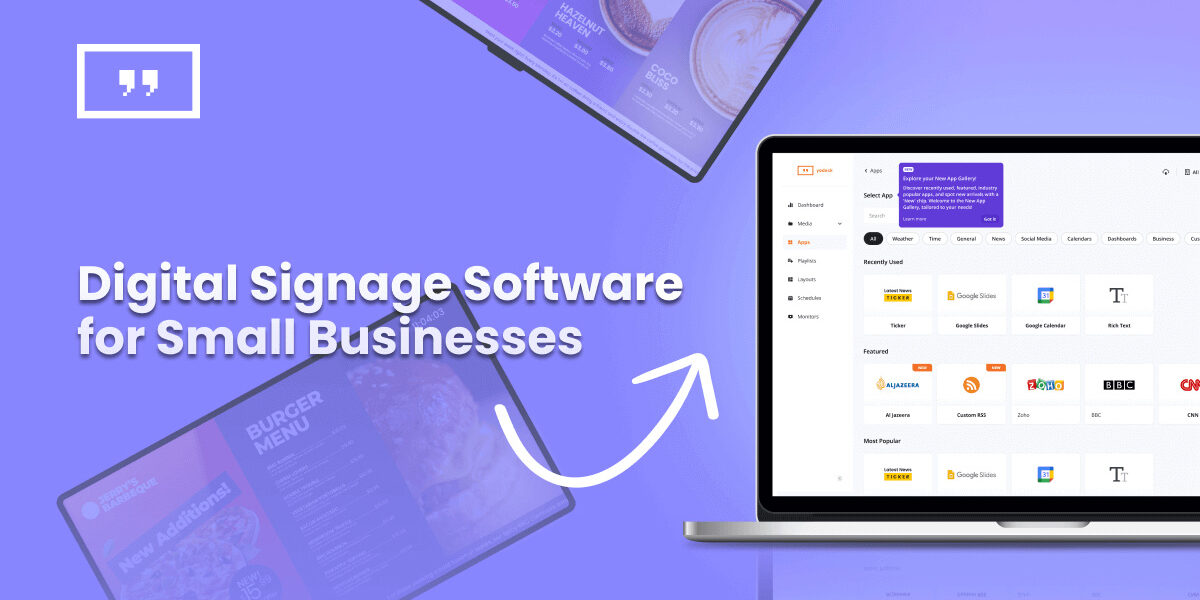
A Look Inside the Software
The heart of the Recastio system is its easy-to-use dashboard. That’s where you manage your screens, content, and schedules. Whether you're new or experienced, the layout is straightforward and helpful.This software for digital signage doesn’t overload you with features. Instead, it gives you exactly what you need:
- Upload your content easily
- Create and reorder playlists
- Set schedules for different days or times
- Preview everything before it goes live
- Manage one or multiple displays from a single login
It’s all cloud-based, which means you can make changes anytime, anywhere.
Helpful Tips for Making Great Signs
To get the most out of your signage, keep these ideas in mind:
- Use large, readable fonts—especially from a distance.
- Limit each message to one idea—keep it clear and short.
- Add a photo or visual—people respond to images faster than words.
- Schedule fresh content regularly to keep your display from going stale.
- Use bright, high-contrast colors to draw attention.
With just a few design tricks, you’ll make your screen more noticeable—and more useful.
The Bottom Line: You Can Do This
You don’t need to be tech-savvy. You don’t need to buy expensive gear. And you don’t need a team of designers. All you need is a screen, a Fire Stick, and Recastio.With this simple setup, you can start showing messages that make people stop and look. Whether you're sharing daily deals, reminders, or a simple "Welcome" message—your screen will work smarter, not harder.So if you’re ready to get started with digital signage that’s truly simple and effective, visit Recastio and take control of your display today.
 A Simple Guide to Vacuum Trucks and Trailers in Ohio
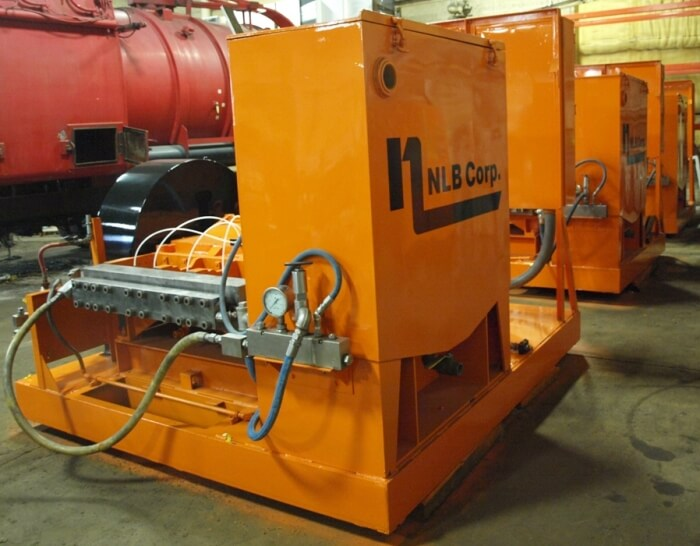
If you're searching for Used Vacuum Trucks and Trailers in Ohio for your business or job site, you're in the right place. These trucks are not your everyday vehicles. They are built for tough jobs—cleaning out sludge, liquids, or waste in places where normal machines just can't do the work.In Ohio, Gulf Systems Inc. has been helping people find the right equipment for over 20 years. They focus on providing strong, rebuilt vacuum trucks and trailers that work like new, but cost much less.
What Are Vacuum Trucks and Trailers?
Let’s start with the basics. A vacuum truck is a large truck with a strong pump and tank. It works like a big vacuum cleaner—but instead of cleaning floors, it sucks up liquid waste, dirt, sludge, or chemicals from tanks, pits, or roads.A vacuum trailer is similar, but it doesn’t have its own engine. Instead, you pull it behind another vehicle. Both types are used in industries like oil and gas, farming, and construction.
Why Gulf Systems Inc. Is a Trusted Choice
Gulf Systems Inc., based in Gnadenhutten, Ohio, has built a strong name by offering reliable, affordable used and reconditioned vacuum trucks. They don’t just sell these machines—they carefully inspect and rebuild them. That means you’re getting something that’s already tested and ready for work.Their team knows what Ohio businesses need. They make sure each truck or trailer meets safety rules and road standards. You won’t be left guessing about paperwork or repairs—they guide you through it all.
What Makes Reconditioned Equipment a Smart Choice?
New vacuum trucks can be very expensive. That’s why many people choose reconditioned or used units. Here’s why it’s a smart option:
- You save money—often 40–60% less than new
- The trucks are inspected and fixed before sale
- You get expert advice and after-sale help
- There are financing options to make things easier
With Gulf Systems, you don’t just buy a truck—you get service, knowledge, and long-term support.
Types of Equipment Available
Gulf Systems has many types of equipment in their yard. Here are just a few examples you might find:
- Rebuilt vacuum trailers with high-capacity tanks
- Hydro excavators for tough digging jobs
- Industrial trucks used in oil and gas work
- DOT- and ASME-certified equipment for legal use
- Fully cleaned, painted, and inspected units
They often carry trusted names like Keith Huber and Peterbilt, known for durability and performance.
How the Buying Process Works
Buying from Gulf Systems is easy, even if you’ve never bought industrial equipment before. Here’s how it usually goes:
- Browse Inventory – You can look online or visit in person.
- Ask Questions – Their team helps you understand what fits your needs.
- Check Condition – Test drive or inspect before buying.
- Talk Pricing – You can make an offer or ask about payment plans.
- Get Support – After the sale, they’re still there to help with repairs or advice.
They also help you handle tags, licenses, and safety checks so you’re ready to work right away.
Who Needs These Trucks?
Many industries across Ohio need vacuum trucks and trailers. Here are some common users:
- Septic companies – Emptying tanks and systems
- City departments – Cleaning storm drains and roads
- Factories – Removing waste or spilled chemicals
- Farms – Cleaning ponds or animal waste areas
- Construction sites – Handling dirty water and mud
If your work involves liquids, waste, or cleaning, these trucks can help.
Helpful Services from Gulf Systems
One of the best things about Gulf Systems is that they do more than just sell equipment. They also:
- Rebuild and service engines and pumps
- Offer trailer upgrades and custom changes
- Check safety and DOT requirements
- Paint and clean your trucks
- Help source rare or needed parts
You don’t have to go to a separate mechanic—everything is done in one place.
Why Local Service Matters
When you buy local in Ohio, you get more than just a good machine. You also get:
- Quick repairs if something breaks
- Easy communication with real people
- Knowledge of Ohio laws and road rules
- Faster delivery and pickup
Gulf Systems understands the needs of local businesses. That’s why their customers trust them again and again.
Customer Feedback
Many people who’ve bought from Gulf Systems say good things. One buyer said, “The trailer was just like they promised—clean, strong, and ready to go. They helped with everything I needed.”That kind of support makes a big difference when you’re making an investment.
Final Thoughts
Finding the right vacuum truck or trailer doesn’t have to be hard. Gulf Systems Inc. makes it simple. Whether you need something for farming, construction, or municipal work, they have affordable, strong, and road-ready equipment.They back every sale with real support, clear advice, and expert repairs. That’s what makes them one of Ohio’s top choices for vacuum equipment.
02Jul
Travel Made Easy with RoamNAI – Find Fun Things to Do in Every City
When you go on a trip, you want to enjoy your time and find fun things to do. But sometimes it’s hard to know where to go or what’s worth visiting.That’s why RoamNAI is a great app for travelers. It helps you find cool and local places in every city. It’s easy to use and gives you ideas that feel personal—not just the same tourist spots everyone goes to.Let’s see how RoamNAI helps you enjoy your trip in five amazing places.
🏙 Things to Do in Nashville
👉 Visit Nashville with RoamNAINashville is famous for music. But there’s more than just Broadway Street. RoamNAI shows you hidden music bars, tasty food places, and relaxing parks. It helps you enjoy the real Nashville, not just the crowded areas.
🎺 Things to Do in New Orleans
👉 Visit New Orleans with RoamNAINew Orleans is full of music, culture, and food. With RoamNAI, you can find peaceful jazz bars, local food spots, and interesting places that most tourists don’t know about. It’s a better way to explore the city.
🌇 Things to Do in Chicago
👉 Visit Chicago with RoamNAIChicago is a big city with a lot to see. RoamNAI helps you skip the long lines and find quiet places with great views, yummy local food, and museums that aren’t too busy. It’s like having a smart friend guide you.
🌲 Things to Do in Gatlinburg
👉 Visit Gatlinburg with RoamNAIGatlinburg is close to the Smoky Mountains. RoamNAI shows you calm hiking spots, small shops, and peaceful views. It helps you relax and enjoy nature without the crowd.
🌴 Things to Do in Maui
👉 Visit Maui with RoamNAIMaui is a dream place with beaches, palm trees, and sunshine. But with RoamNAI, you can also find quiet waterfalls, local food trucks, and beautiful nature walks that many visitors don’t know about.
🌟 Why RoamNAI is Special
- It shows real local spots, not just tourist places
- It’s easy to use and works fast
- You can travel with less stress and more fun
- It gives ideas made just for you
🧳 Ready to Travel?
If you’re planning a trip to Nashville, New Orleans, Chicago, Gatlinburg, or Maui, try RoamNAI. It helps you find real, fun things to do that make your trip special.No stress. No long planning. Just open the app and go explore!
02Jul
Are you looking for someone to help you manage your rental property? Or maybe you're trying to find a good apartment to live in? If you live in Canton, Akron, Alliance, North Canton, or nearby areas like Stark County or Summit County, then you’re in the right place.Let me tell you how Icon Property Management can help you — whether you're a landlord or someone who needs an apartment.
What Does a Property Management Company Do?
If you own a rental home or building, managing it alone can be hard. You have to find renters, collect rent, fix broken things, and handle problems.A property management company like Icon Property Management can help you by doing all of this work for you. They can:
- Find good people to rent your place
- Fix things when they break
- Collect the rent each month
- Handle any complaints or legal issues
- Keep your property clean and safe
They make your life easy, especially if you’re busy or don’t live close to the property.
Where Does Icon Work?
Icon Property Management works in many parts of Northeast Ohio. Their team lives in the same cities, so they know the area really well.Here are the cities and counties where they help:
✔️ Canton, Ohio
If you have rental properties in Canton, Icon will take care of everything. You don’t have to worry about repairs or finding renters.
✔️ Akron, Ohio
In Akron, Icon helps owners rent their homes and manage them with care. They know what renters want in this area.
✔️ Alliance, Ohio
Alliance is great for families and students. Icon can help you find renters or manage your apartments easily.
✔️ North Canton, Ohio
North Canton is growing fast. Icon helps landlords keep their places clean and rented to good people.
✔️ Property Management Company in Stark County Ohio
Stark County includes cities like Canton and Alliance. Icon is a trusted property management company in Stark County Ohio and helps many landlords here.
✔️ Property Management Company in Summit County Ohio
If you own rental homes in Akron or nearby, you need a team that understands the area. Icon is a reliable property management company in Summit County Ohio that keeps things simple and stress-free.
Add Color, Culture & Confidence to Your Look
In today’s fashion world, where fast trends fade quickly, some pieces remain unforgettable. The African Print Shirt for Women from ByNelo is one of those pieces. It speaks to who you are — bold, confident, full of personality, and proud of your roots.With vibrant Ankara patterns and a fit made for comfort, this shirt makes it easy to bring culture into your everyday style.
A Shirt That Tells a Story
Clothing should do more than cover — it should express. Every detail in this African Print Shirt for Women is designed with meaning. The bright colors, rich patterns, and bold feel all come together to celebrate African heritage with a modern twist.Whether you're wearing it to a family gathering, cultural event, or just running errands, you’re telling the world: “This is who I am, and I’m proud of it.”
Why This Shirt Works for Every Woman
ByNelo created this shirt with real women in mind. It’s not about chasing the latest trend — it’s about wearing something that lasts, something that fits your life and your energy.Here’s what makes this shirt so special:
- Bold Ankara Prints – The patterns are loud in the best way. They draw attention without shouting.
- Comfortable Fit – The relaxed shape makes it easy to move, whether you’re at work or out with friends.
- Easy to Match – Style it with jeans, trousers, skirts, or layer it over a dress — it just works.
- Statement Piece – This shirt doesn’t need help. One piece is enough to lift your whole look.
Click here to see how it fits in real life:
More Than Just Fashion — It’s Identity
African prints carry deep meaning. Each design has a story, a history, a message. When you wear an Ankara shirt, you’re not just dressing up — you’re embracing a culture.This African Print Shirt for Women lets you carry that energy with you wherever you go. It’s not just for show — it’s a way to stand tall in who you are.
Style Tips: Make It Your Own
This isn’t a shirt you need to overthink. Its design does the talking. But here are some simple ways to style it:
- For a casual day: Pair it with ripped jeans and sneakers
- For something formal: Add high-waisted trousers and heels
- To stand out: Mix with bold accessories like hoop earrings or beaded jewelry
- Layer it: Wear open over a tank top or tuck it into a skirt
There are endless ways to wear this African Print Shirt for Women, and each one feels fresh and personal.
Final Thoughts: Let Your Style Speak Loudly
Fashion is personal. It’s a reflection of your mood, culture, and energy. This vibrant shirt from ByNelo helps you speak without saying a word. Whether you’re celebrating your roots or just want to try something bold and beautiful — this shirt fits right in.If you’re ready to step away from plain and into powerful, take a closer look at this bold African Print Shirt for Women. It’s more than fabric — it’s freedom, pride, and power.
Add Color, Culture & Confidence to Your Look
In today’s fashion world, where fast trends fade quickly, some pieces remain unforgettable. The African Print Shirt for Women from ByNelo is one of those pieces. It speaks to who you are — bold, confident, full of personality, and proud of your roots.With vibrant Ankara patterns and a fit made for comfort, this shirt makes it easy to bring culture into your everyday style.
A Shirt That Tells a Story
Clothing should do more than cover — it should express. Every detail in this African Print Shirt for Women is designed with meaning. The bright colors, rich patterns, and bold feel all come together to celebrate African heritage with a modern twist.Whether you're wearing it to a family gathering, cultural event, or just running errands, you’re telling the world: “This is who I am, and I’m proud of it.”
Why This Shirt Works for Every Woman
ByNelo created this shirt with real women in mind. It’s not about chasing the latest trend — it’s about wearing something that lasts, something that fits your life and your energy.Here’s what makes this shirt so special:
- Bold Ankara Prints – The patterns are loud in the best way. They draw attention without shouting.
- Comfortable Fit – The relaxed shape makes it easy to move, whether you’re at work or out with friends.
- Easy to Match – Style it with jeans, trousers, skirts, or layer it over a dress — it just works.
- Statement Piece – This shirt doesn’t need help. One piece is enough to lift your whole look.
Click here to see how it fits in real life:
More Than Just Fashion — It’s Identity
African prints carry deep meaning. Each design has a story, a history, a message. When you wear an Ankara shirt, you’re not just dressing up — you’re embracing a culture.This African Print Shirt for Women lets you carry that energy with you wherever you go. It’s not just for show — it’s a way to stand tall in who you are.
Style Tips: Make It Your Own
This isn’t a shirt you need to overthink. Its design does the talking. But here are some simple ways to style it:
- For a casual day: Pair it with ripped jeans and sneakers
- For something formal: Add high-waisted trousers and heels
- To stand out: Mix with bold accessories like hoop earrings or beaded jewelry
- Layer it: Wear open over a tank top or tuck it into a skirt
There are endless ways to wear this African Print Shirt for Women, and each one feels fresh and personal.
Final Thoughts: Let Your Style Speak Loudly
Fashion is personal. It’s a reflection of your mood, culture, and energy. This vibrant shirt from ByNelo helps you speak without saying a word. Whether you’re celebrating your roots or just want to try something bold and beautiful — this shirt fits right in.If you’re ready to step away from plain and into powerful, take a closer look at this bold African Print Shirt for Women. It’s more than fabric — it’s freedom, pride, and power.
Fashion with Personality: The Beauty of Bold Prints
Sometimes, a shirt is more than just a shirt. It can be a bold expression of who you are. That’s exactly what you get with this colorful and stylish piece from ByNelo — a African Print Shirt for Women that blends tradition with modern flair.It’s not only beautiful; it’s designed to make you feel powerful, vibrant, and seen. Whether you’re headed to brunch, work, or an event, this shirt brings your outfit to life.
Why This Shirt Deserves a Spot in Your Closet
What makes this top special? It starts with the fabric — soft, breathable, and made to move with you. But it’s the pattern that steals the show: bold Ankara prints with deep cultural roots.This African Print Shirt for Women features eye-catching colors and shapes, balanced with a clean button-up design. It’s ideal for women who want something striking but easy to wear every day.
How to Style It: Simple Looks That Work
You don’t need a whole new wardrobe to rock this shirt. Just a few basic pieces, and you’re ready:
- Tuck it into jeans for a relaxed, chic vibe
- Wear it over leggings and flats for casual comfort
- Pair with a skirt for a dressy, bold look
- Add gold jewelry for a dash of elegance
This African Print Shirt for Women works great for both day and night. It’s a go-to piece when you want something different — something that tells a story.
The Power of Wearing Culture
African prints are more than just fashion trends. They carry history, meaning, and strength. When you wear this shirt, you’re not just dressing up — you’re representing something powerful.The team at ByNelo knows how important that is. That’s why they’ve designed this piece to be bold, beautiful, and full of personality. A perfect match for women who love standing out with style and purpose.If you’ve been looking for a African Print Shirt for Women that truly reflects your energy — this is the one.
Final Thoughts: Make Your Wardrobe Speak for You
In a world full of plain options, why not wear something meaningful?This African Print Shirt for Women lets you bring boldness, beauty, and heritage into your everyday style. It’s colorful, confident, and completely you.Try it once — and you’ll see just how much one shirt can change the way you feel.